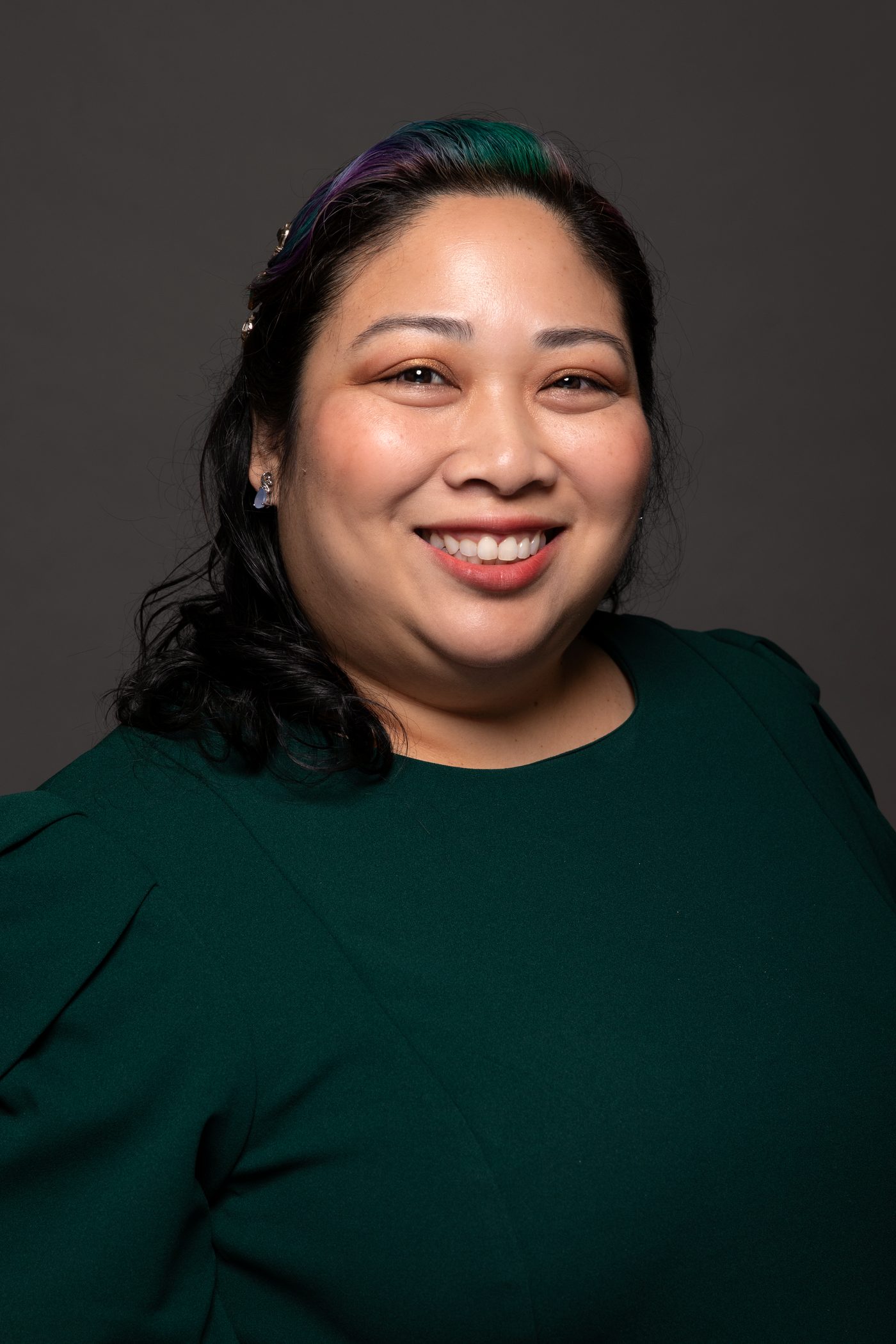
Julie Sriken, Ph.D.

Assistant Professor · Regis University

Dr. Julie Sriken

I study how people give meaning to lived experiences of violent victimization, and how we collectively decide what counts as violence.

My research and my teaching both begin from epistemic injustice: social inequality leaves some people with far fewer resources to make sense of the most important things that happen to them.

Portrait of Julie Sriken, Ph.D.

The Question

She met the formal definition of a victim. She never called it that.

The concepts available to understand an experience are not distributed equally. That problem runs through all of my work: a woman deciding what happened to her, a village misreading its own attitudes, a national dataset that never asked about disability.

Three Themes

How do people decide whether what happened to them counts as violence?

My systematic review of women’s acknowledgment of intimate partner violence found the same pattern in every study reviewed: some women who met formal definitions of victimization did not describe their experiences as victimization. Non-acknowledgment is not rare, and it can influence who gets help.

Current project: acknowledgment among women and gender-diverse people experiencing homelessness.

What happens when a community misreads its own norms?

Across eight villages in rural Uganda, most men neither endorsed nor perpetrated intimate partner violence. yet nearly half believed most other men did. Men holding these misperceived norms were significantly more likely to endorse and perpetrate violence themselves.

Whose violence makes it into the record?

Definitions, instruments, and reporting practices decide which experiences of harm become visible at all. My work on disability and violence, school fairness and bullying, and racial microaggressions traces how those choices shape what types of violence we acknowledge.

Selected Work

Recent publications

Read the abstracts

Teaching

Undergraduates design the studies and present the results.

Seventeen undergraduate research assistants have worked in my lab since 2024. Four students have presented our work at the Rocky Mountain Psychological Association, the American Psychological Association, and the Western Society of Criminology.

Explore teaching

Press & Speaking

  • Nov 2026

    Acknowledgment of IPV Victimization among Unhoused Women and Gender Diverse People

    Lightning talk. 81st Annual Meeting of the American Society of Criminology, Chicago

  • Jun 2026

    Three Regis students making an impact in Neuroscience and Psychology

    Feature. Regis University

  • May 2026

    A Cookbook for Community: Regis students connect through cultural cuisines

    Feature. Regis University

All press & speaking

I’m glad to hear from colleagues, students, and journalists.

Research collaboration, academic inquiries, speaking invitations, media requests, or a conversation about the work.